How to Create a Course That Gets Watched From Start to Finish
If your course looks good on paper but people stop halfway, the problem is usually not effort. It is often structure, clarity, and how the course is offered.
If you want to create a course that gets watched, you need more than good information. Coaches and consultants often know their topic well, but that alone does not keep people moving through lessons. What keeps attention is a course that solves one clear problem, follows a logical path, and feels easy to act on from the first module to the last.
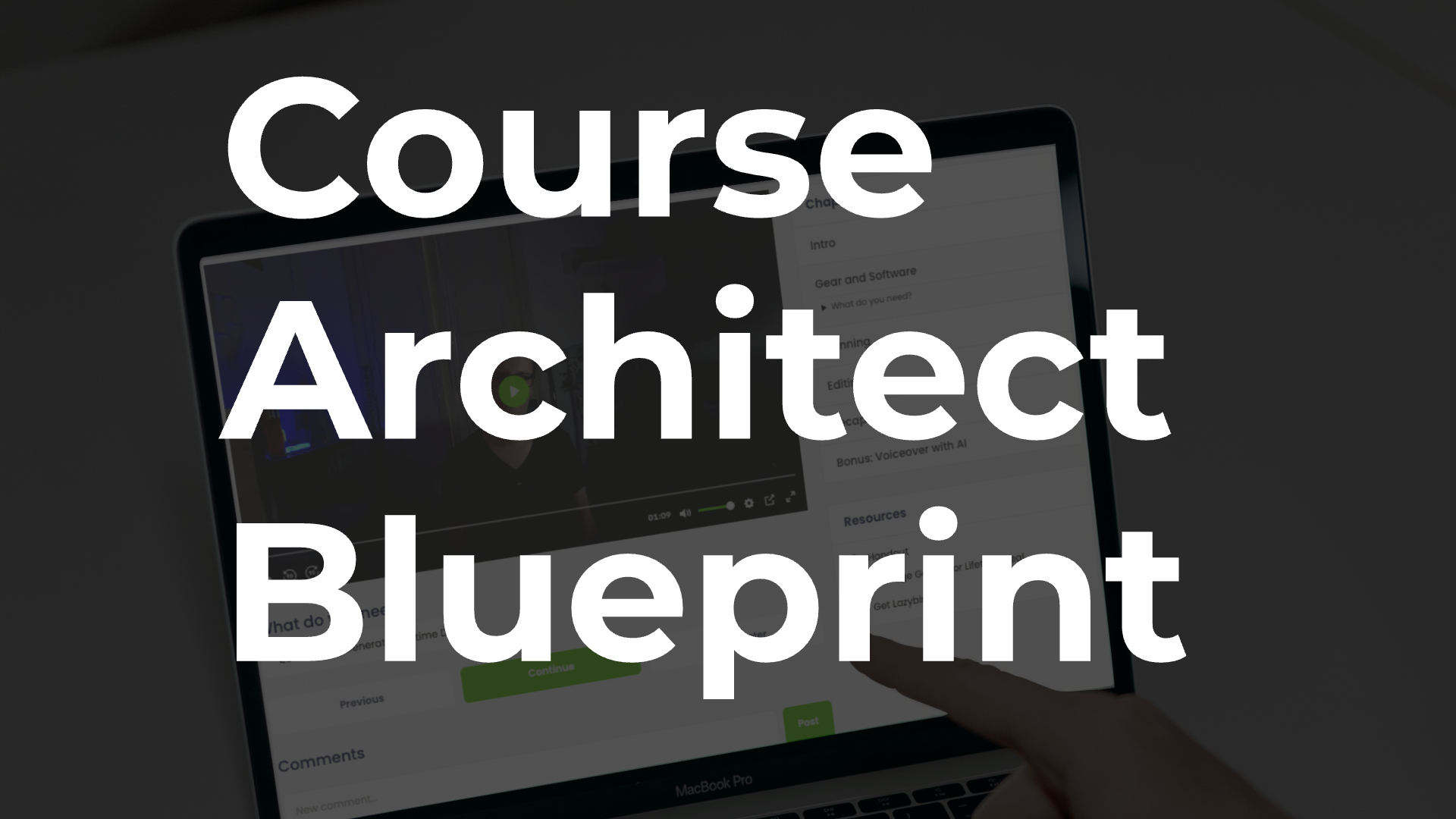
This guide walks you through the core pieces that matter most. You will see how to start with the learning goal and customer problem, how to structure your course so lessons feel necessary instead of random, and why offering it through an actual funnel matters if you want the right people to watch and finish. If you want more course-building help, the Free Course for Better Course Creation is a useful next stop. You can also check out Course Architect Blueprint, a free mini course. The Course Architect Blueprint hands you the exact Instructional Design and sales psychology frameworks to map out a highly profitable curriculum in under an hour. It is a practical way to turn your expertise into a scalable offer while strengthening your curriculum planning before you record a single lesson.
Start with the result your buyer wants
Most weak courses start with the creator’s knowledge instead of the buyer’s situation. That leads to content that is accurate but hard to follow. A watched course begins with one question: what problem is this person trying to solve right now?
For coaches and consultants, that problem should be specific. “Get better at content” is too broad. “Record simple videos that build trust with potential clients” is much clearer. When the outcome is narrow, people know why each lesson exists. They can connect the course to a business goal, and that makes them more likely to keep going.
What problem does this course solve first?
What should the learner be able to do after finishing?
What mistakes or roadblocks stop them before they get that result?
What does the learner need now, not someday?
Those answers become the basis of your curriculum. Not your full expertise. Not every framework you have ever used. Only the material that helps the learner reach the promised result.
Structure your course so each lesson earns its place
One of the two key factors in creating a great course is structure. If your lessons feel out of order, too long, or too abstract, people stop watching even when the content is good. Structure is what makes progress feel obvious.
A simple way to structure your course is to move from problem to action in clean steps. Each module should answer one stage of the learner’s progress. Think in terms of sequence: what do they need to understand first, what do they need to do next, and what could make them get stuck?
Open with orientation. Show them what result they are working toward and how the course is laid out.
Teach the minimum needed to act. Give context, but do not bury the learner in theory before they can make progress.
Break big outcomes into short wins. A learner who completes something small is more likely to watch the next lesson.
Remove extra lessons. If a lesson does not help the promised result, cut it or save it as bonus material.
End modules with one clear action. People keep watching when they know exactly what to do next.
This is especially important if you teach through video. Long recordings with loose explanations are hard to finish. Shorter lessons with a clear job are easier to watch. If video is part of your teaching style, the blog post on starting video creation using just your smartphone can help you keep production simple.
Make the course easy to watch, not just easy to buy
Many creators spend weeks polishing slides, branding, and recording gear, then wonder why students disappear after module one. In most cases, the issue is not production quality. It is friction. People stop when lessons feel heavy, when the purpose is unclear, or when they cannot see progress.
To keep your course watchable, design for momentum. Use lesson titles that tell the learner what they will get. Keep examples close to their daily work. For coaches and consultants, that often means showing how a concept affects client calls, content, offers, or lead flow. Abstract teaching loses people fast.
Keep one main point per lesson.
Use examples the learner can picture in their own business.
Add a clear task at the end of each lesson or module.
Do not stack five ideas into one recording.
Show what “done” looks like so the learner can measure progress.
If trust is part of your sales process, your teaching style matters too. A course gets watched more often when the buyer already believes you are clear, useful, and practical. The blog post on why videos are building trust for coaches and consultants explains why that matters before someone ever enters your course.
Offer the course through an actual funnel
The second key factor is how you offer the course. Even a strong curriculum can underperform if it is presented to the wrong people, at the wrong stage, with the wrong promise. A watched course is usually connected to an actual funnel, not posted and forgotten.
Your funnel does two jobs. First, it brings in people who already care about the problem your course solves. Second, it sets the right expectation before they buy or sign up. That expectation matters because students who know why they are there are more likely to watch.
For example, if your course helps someone get their first result in one narrow area, your funnel should speak to that exact situation. Your landing page, lead magnet, emails, or call process should filter for that need. When the promise is vague, the audience is mixed. Mixed audiences skip lessons because parts of the course do not feel written for them.
This is where Course Architect Blueprint fits well. It is a free mini course built for stronger curriculum planning and better positioning at the same time. The Course Architect Blueprint hands you the exact Instructional Design and sales psychology frameworks to map out a highly profitable curriculum in under an hour. That makes it useful not only for organizing your lessons, but also for turning your expertise into a scalable offer that is easier to sell through a clear funnel. If you are shaping a course and want a more precise starting point, it is a smart next step.
What to do next
Before you record another lesson, write down one clear learner problem and one clear end result. Then map your modules in the order someone needs them, cutting anything that does not help that result. After that, look at how you are offering the course. Make sure the promise, audience, and curriculum match. If you want a practical way to tighten the plan before you build, check out Course Architect Blueprint. It is a free mini course that can help you turn what you know into a scalable offer and build a course people are more likely to watch all the way through.